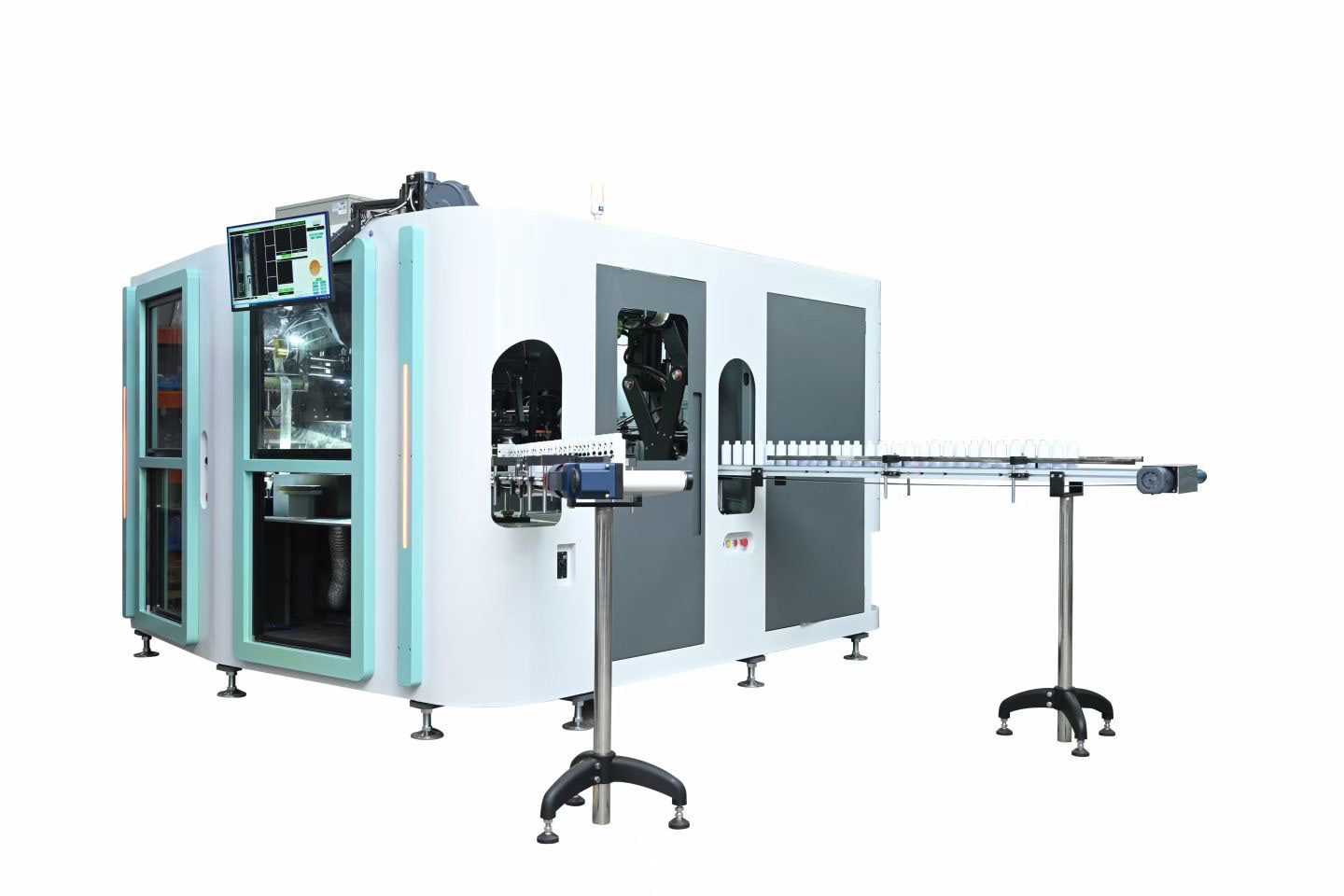
In today’s competitive printing and packaging market, manufacturers are under constant pressure to deliver better print quality, higher output, and more consistent results. That is exactly why the fully automatic servo screen printing machine has become a preferred solution for modern production lines.
Unlike conventional systems, servo-driven printing equipment is designed for precise positioning, smooth motion control, and high repeatability, which are critical for demanding industrial printing applications. Major motion-control manufacturers such as Rockwell Automation and Yaskawa describe servo systems as well suited for applications requiring high positioning accuracy, fast response, and stable repeatability.
What Is a Fully Automatic Servo Screen Printing Machine?
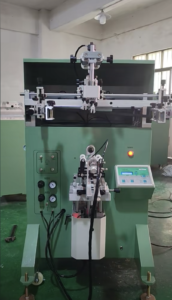
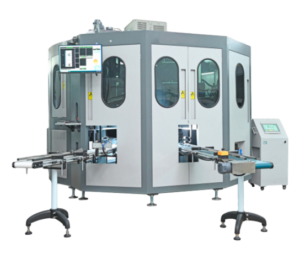
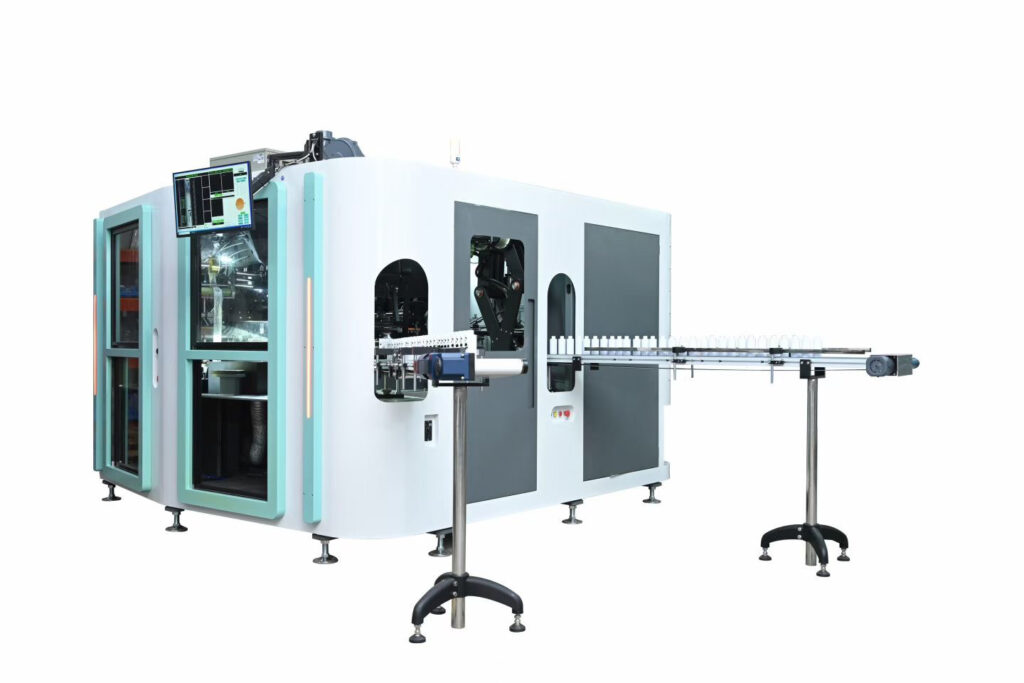
A fully automatic servo screen printing machine is an advanced printing system that uses servo motors to control key movements such as product feeding, positioning, screen movement, squeegee motion, and printing stroke. Compared with traditional mechanical or pneumatic structures, servo control enables more accurate synchronization between each step of the printing process.
This type of machine is widely used for printing on:
- Plastic bottles
- Glass bottles
- Cosmetic containers
- Cups and tubes
- Caps and closures
- Industrial cylindrical or oval products
Screen printing remains especially valuable where brands need strong ink coverage, high color strength, edge precision, and durable decoration on packaging or industrial parts. Ink manufacturers such as Marabu highlight these strengths in modern screen-printing applications, including UV and UV-LED systems for packaging and containers.
Why Servo Technology Matters in Screen Printing
The real advantage of a servo-driven system is control.
In high-speed printing, even a small deviation in positioning can lead to blurred images, registration errors, or unstable printing quality. Servo motors help solve this problem by providing accurate motion control and repeatable positioning. For printing factories, that means cleaner graphics, better registration, and less variation from one product to the next.
Servo systems also allow operators to adjust motion parameters more easily for different products and print requirements. This flexibility is especially important for manufacturers handling multiple SKUs, short lead times, or premium packaging jobs.
Key Benefits of a Fully Automatic Servo Screen Printing Machine
1. Higher Printing Accuracy
With servo-driven positioning and controlled print strokes, the machine can maintain excellent alignment during production. This is crucial for multi-color printing, fine graphics, and brand-sensitive packaging.
2. Greater Production Efficiency
A fully automatic system reduces manual handling and improves workflow continuity. From automatic loading to printing and curing integration, the production process becomes faster and more stable. This helps manufacturers increase output while keeping labor requirements lower. Industry suppliers of automated cylindrical screen-printing systems emphasize end-to-end automation for bottle and container decoration as a major productivity advantage.
3. Better Consistency
Consistency is one of the biggest challenges in industrial printing. Servo control helps ensure each cycle follows the same programmed motion path, improving repeatability and reducing print defects.
4. Easier Changeover
For factories producing different bottle sizes, shapes, or designs, fast changeover is essential. Servo-based systems are easier to adjust through parameter settings, helping reduce downtime between jobs.
5. Reduced Waste
Better positioning and stable printing performance mean fewer rejected products, less ink waste, and lower rework costs. In other automation contexts, electric servo systems are also promoted for improving part quality and reducing scrap, which aligns with the same production logic in precision printing.
Ideal Applications
A fully automatic servo screen printing machine is especially suitable for industries that require both appearance quality and production efficiency, such as:
- Cosmetics packaging
- Beverage packaging
- Pharmaceutical containers
- Household product bottles
- Promotional drinkware
- Industrial plastic and glass parts
For brands in these sectors, surface decoration is not only about appearance. It is also about product identity, shelf impact, and perceived quality. Modern UV and UV-LED screen-printing ink systems are increasingly designed for packaging, tubes, glass, metals, PETG, and treated PE/PP containers, making servo screen printing a strong solution for industrial decoration.
Why More Manufacturers Are Upgrading
As labor costs rise and quality expectations become stricter, more manufacturers are moving from semi-automatic equipment to fully automatic servo-driven systems.
The reason is simple: customers want faster delivery, better printing precision, and stable quality across large orders. A fully automatic servo screen printing machine helps meet those expectations while supporting long-term production efficiency.
For exporters and OEM/ODM manufacturers, this upgrade can also improve competitiveness by offering:
- More reliable bulk production
- Better print quality for international markets
- Lower dependence on manual operation
- Stronger capability for premium packaging projects
What to Consider Before Buying
When choosing a fully automatic servo screen printing machine, buyers should evaluate several factors:
Product shape compatibility
Make sure the machine is suitable for cylindrical, oval, square, or custom-shaped products.
Printing speed and accuracy
The best machine is not simply the fastest one. It should balance output with stable print quality.
Drying or curing system
UV or LED UV curing options can significantly affect efficiency and ink compatibility. Marabu’s packaging ink portfolio shows how ink selection and curing technology are closely connected in modern container decoration.
Automation level
Consider whether you need automatic loading, orientation, flame treatment, dust cleaning, printing, curing, and unloading in one line.
Ease of operation and maintenance
A user-friendly control system and stable machine structure can save time and reduce operating costs.
Conclusion
A fully automatic servo screen printing machine is more than just a printing device. It is a smart manufacturing solution for businesses that need speed, precision, consistency, and scalability.
For companies printing on bottles, cups, tubes, and containers, servo-driven automation offers a clear path to higher efficiency and stronger product quality. As packaging standards continue to rise, investing in advanced screen-printing technology is no longer just an option—it is a competitive advantage.
If your business is looking for a reliable way to improve printing performance and production capacity, a fully automatic servo screen printing machine may be the ideal next step.