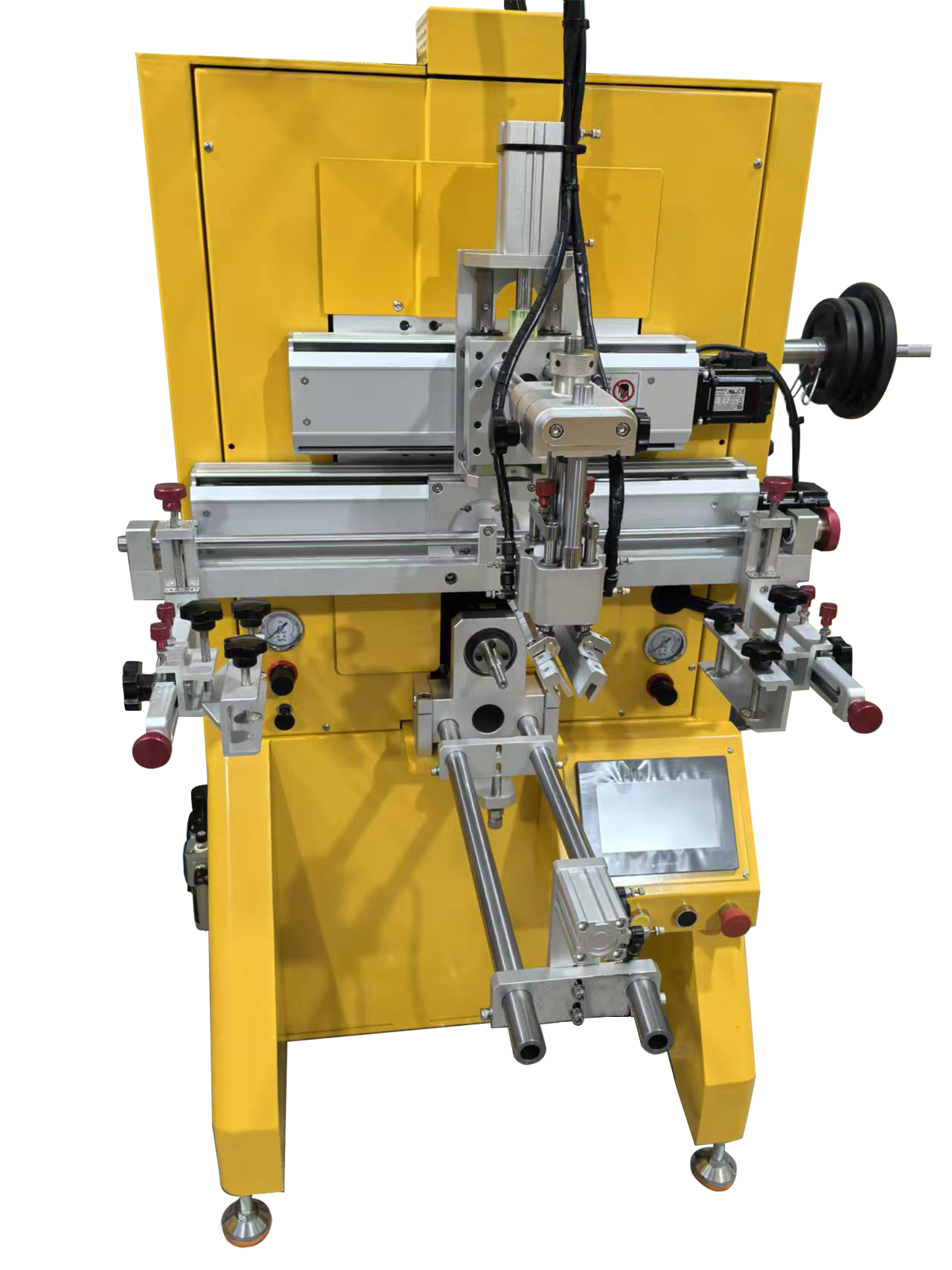
In today’s competitive printing industry, businesses need equipment that offers both efficiency and consistent print quality. For many manufacturers and print service providers, a semi-automatic screen printing machine is one of the most practical solutions. It combines the flexibility of manual operation with the stability of automated movement, making it ideal for medium-volume production and high-quality printing tasks.
Whether you print on plastic, glass, metal, paper, or other flat surfaces, a semi-automatic screen printing machine can help improve productivity while keeping labor costs under control.
What Is a Semi-Automatic Screen Printing Machine?
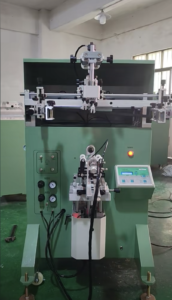
A semi-automatic screen printing machine is a type of printing equipment designed to automate key printing actions such as the squeegee movement, printing stroke, and sometimes the lifting of the screen frame. The operator still loads and unloads the products manually, but the machine ensures a more stable and repeatable printing process.
Compared with fully manual printing, this machine greatly reduces operator fatigue and improves printing consistency. Compared with a fully automatic system, it is more affordable and easier to operate, making it a smart option for many growing businesses.
Main Benefits of a Semi-Automatic Screen Printing Machine
1. Better Printing Consistency
One of the biggest advantages of semi-automatic printing is repeatability. Manual printing often depends heavily on operator skill. A semi-automatic machine controls the printing stroke, speed, and pressure more precisely, helping achieve cleaner and more uniform results.
This is especially important for products that require accurate logo printing, text, lines, or detailed graphic designs.
2. Higher Production Efficiency
A semi-automatic screen printing machine can significantly increase output compared with manual printing. Because the printing action is automated, each cycle is faster and more stable. The operator can focus on positioning the product correctly and maintaining workflow.
For factories handling regular production orders, this machine is an efficient upgrade without the high cost of a fully automatic line.
3. Lower Labor Intensity
Manual screen printing can be tiring, especially during long shifts or large-volume jobs. Semi-automatic machines reduce the physical work required from the operator. This not only improves comfort but also helps maintain stable quality throughout the day.
4. Wide Material Compatibility
Semi-automatic screen printing machines are widely used for printing on:
- Plastic parts
- Glass panels
- Metal plates
- Paper sheets
- PVC materials
- Acrylic products
- Electronic panels
- Packaging materials
This wide application range makes the machine suitable for many industries, including packaging, electronics, advertising, household products, and industrial manufacturing.
5. Cost-Effective Investment
For many small and medium-sized businesses, a semi-automatic screen printing machine offers an excellent balance between cost and performance. It provides a clear productivity improvement without the larger investment required for a fully automatic printing system.
It is often the best choice for companies that want to scale production step by step.
Common Applications of Semi-Automatic Screen Printing Machines
Semi-automatic screen printing machines are commonly used in the production of:
- Product labels
- Control panels
- Cosmetic packaging
- Glass bottles and flat glass items
- Promotional items
- Industrial signs
- Plastic containers
- Electronic components
Because of their flexibility, these machines are popular in workshops that handle multiple product types and need stable print quality across different jobs.
How to Choose the Right Semi-Automatic Screen Printing Machine
When selecting a machine, it is important to consider your actual production needs. Here are some key points to review:
Printing Area
Choose a machine with a printing size that matches your product dimensions. A machine that is too small will limit future jobs, while an oversized machine may increase costs unnecessarily.
Material Type
Different products require different fixtures, printing pressure, and machine configurations. Make sure the machine is suitable for the materials you plan to print.
Accuracy Requirements
If your products require fine detail or precise positioning, machine stability and registration accuracy become especially important.
Production Volume
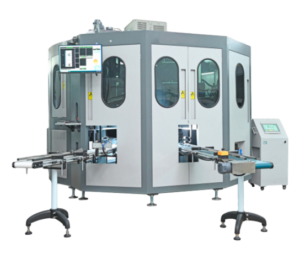
A semi-automatic machine is ideal for medium production volumes. If your output continues to grow rapidly, you may later consider upgrading to a fully automatic line.
Ease of Operation and Maintenance
A good machine should be easy to use, easy to adjust, and simple to maintain. Stable performance and accessible technical support are also important factors for long-term operation.
Why Many Businesses Prefer Semi-Automatic Screen Printing
Many companies do not need the complexity of a fully automatic system at the beginning. They need a machine that is reliable, efficient, flexible, and affordable. That is exactly where semi-automatic screen printing machines perform well.
They help businesses improve print quality, reduce dependence on manual skill, and increase daily production efficiency. For manufacturers looking to upgrade from manual printing, this type of machine is often the most sensible next step.
Final Thoughts
A semi-automatic screen printing machine is a strong solution for businesses that want better printing quality and higher efficiency without making an overly large investment. It bridges the gap between manual printing and full automation, making it a valuable choice for many industries.
If your business is looking for a dependable way to improve production performance, reduce printing variation, and handle a wider range of products, a semi-automatic screen printing machine may be the right investment for your workshop.